Narrow street waste removal solutions for South Kensington terraces
Posted on 18/06/2026
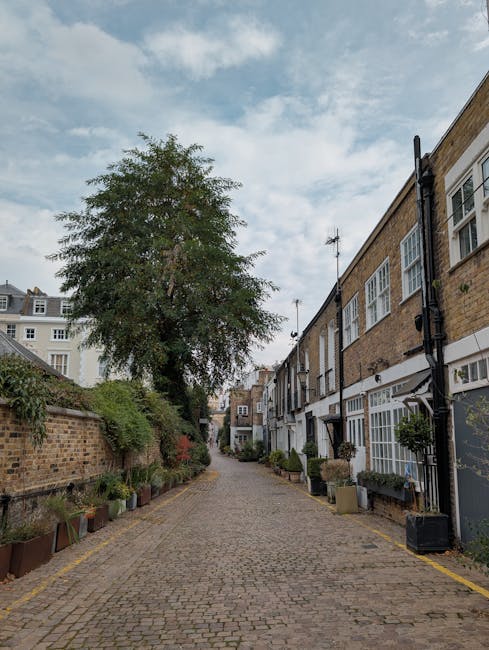
Terraced homes in South Kensington can be beautiful, but waste removal from a narrow street is a different story altogether. Tight kerbs, limited parking, resident bays, awkward staircases, basement flats, and the constant shuffle of cars make even a simple clearance feel like a small logistics puzzle. If you have ever stood by the front door with a pile of bags, an old sofa, and the sense that the street is shrinking by the minute, you will know exactly what we mean.
This guide explains narrow street waste removal solutions for South Kensington terraces in plain English. You will learn what works, what tends to go wrong, how to plan the job, and how to choose a method that keeps disruption low. It also covers practical compliance points, common mistakes, and a few real-world decisions that matter more than people expect. Truth be told, the difference between a smooth clearance and a stressful one is often a handful of small details.
Why Narrow street waste removal solutions for South Kensington terraces Matters
South Kensington terraces often sit on streets that were designed long before modern refuse vehicles, bulky furniture collections, or renovation skip lorries became everyday issues. That matters because access drives almost every decision: how quickly waste can be collected, whether loading is possible from the front, whether a team needs to carry items by hand, and whether nearby residents will be blocked for longer than necessary.
On a broad road, many clearance jobs are straightforward. On a narrow terrace street, small inefficiencies multiply. A van parked a few metres too far away can mean extra carrying time. A missed parking restriction can mean delay. A stack of mixed waste left at the wrong point can make everything awkward, especially if there are prams, bikes, or delivery drivers weaving through. You can probably picture it already.
This is why the topic is not just about taking rubbish away. It is about planning movement, managing time, reducing noise, and protecting the building and street environment. In a place like South Kensington, where properties are close together and pavement space can be tight, the right approach is often the one that looks the least dramatic on the day.
For residents, landlords, and managing agents, the payoff is simple: fewer complaints, less risk of damage, and a cleaner handover. For anyone comparing service options, it also helps to look beyond headline promises and consider how a team handles awkward access. If you are weighing up wider service options, a useful starting point is the site's services overview, which helps place waste removal into the bigger picture.
How Narrow street waste removal solutions for South Kensington terraces Works
At a practical level, narrow street waste removal usually comes down to one of three methods: manual loading to a nearby vehicle, small-vehicle access, or a combined plan that uses short carry distances and scheduled loading windows. The right choice depends on the waste type, the amount, the street width, parking conditions, and how much disruption the building can tolerate.
First comes the access check. A careful team will look at where the van can safely stop, whether the pavement can remain clear, whether the waste needs to pass through a hallway or side passage, and whether there is a better collection point around the corner. That last bit sounds minor, but it often saves a lot of fuss. Sometimes the best loading position is not directly outside the terrace at all.
Next comes sorting. Mixed waste, household clearances, builder's rubble, garden cuttings, and office clutter all behave differently. For example, loose light waste can be moved quickly in sacks or tubs, while a broken wardrobe or appliance needs more planning because of weight and shape. If the job includes renovation debris, it is worth reading up on builders waste disposal in South Kensington so you can separate heavy material from general household items before the crew arrives.
Then there is timing. Narrow streets are easiest to work on when footfall is lower and parking pressure is calmer. That may mean early morning, a quieter weekday, or a slot timed around building access. A lot of delays happen because someone assumes the street will be forgiving. It rarely is. If a team offers a same-day collection, the reality can still depend on traffic, parking, and how long previous jobs take; there is a helpful article on common same-day rubbish collection delays in South Kensington that reflects these kinds of issues well.
Finally, the loading method should be matched to the street. In some cases, everything can be taken directly from the front. In others, the most efficient answer is a short chain of movement: bag indoors, stage safely by the doorway, load in bursts, and clear the route as you go. It is not glamorous, but it works.
Key Benefits and Practical Advantages
The best narrow-street waste solutions do more than remove clutter. They make a hard job feel contained. That is a real benefit in South Kensington, where people care about presentation, access, and timing in equal measure.
- Less disruption to neighbours because waste is moved efficiently instead of lingering on the pavement.
- Lower risk of damage to walls, railings, floors, and door frames when items are carried in a controlled way.
- Better parking control when the collection plan is built around the street rather than guessed on the day.
- Cleaner handovers for sales, lettings, refurbishments, and end-of-tenancy clearances.
- More predictable costs when access challenges are assessed properly from the start.
There is also a quieter benefit that people often overlook: confidence. Once the access plan is clear, the whole job feels less stressful. You are not standing at the window wondering whether the van can get in, or whether the old three-seater will scrape a paintwork corner on the way out. That peace of mind matters.
For property owners and agents, this becomes especially useful around sales preparation and refurbishment. If you are dealing with a flat or terrace that needs to be presented well, a clearance approach that respects the street can support the wider property process. Related reading on local housing activity includes market trends for buying and selling Kensington homes and the broader real estate guide for Kensington investors.
Who This Is For and When It Makes Sense
This kind of waste removal is for anyone dealing with a terrace property, basement flat, maisonette, or mews-style access problem where the street simply does not make life easy. That includes homeowners, tenants, landlords, estate agents, builders, decorators, and managing agents. You do not need to have a huge amount of rubbish for access to become the main issue. Sometimes a few bulky items are harder to move than a whole room of bagged waste.
It makes particular sense in these situations:
- End-of-tenancy clearances where timing is tight and access must be tidy.
- Pre-sale preparation, especially if the property needs to look uncluttered for viewings.
- Post-renovation clear-ups when debris, packaging, and broken fittings need removal.
- Garden tidying behind terraces, where access through the house may be the only route.
- Office-to-home conversions or mixed-use properties with awkward internal routes.
It is also useful if you live near busier local roads where parking and stopping are limited. For example, properties closer to main routes often need a more disciplined loading plan than side-street homes. If your street behaves differently at school run time, or delivery vans already make it feel cramped by mid-morning, you will notice the difference straight away.
And yes, some jobs are simply easier when handled by a team used to the area. A short read like South Kensington rubbish removal on Gloucester Road, SW7 gives a sense of how location-specific access issues can change the whole job.
Step-by-Step Guidance
If you want a smooth clearance on a narrow terrace street, planning is everything. Not overplanning. Just enough to avoid the classic headaches.
- Identify every item that needs to go. Separate general rubbish, bulky furniture, appliances, renovation waste, garden cuttings, and anything recyclable.
- Check access from room to street. Measure doorways, stair turns, narrow hallways, and any awkward corners. The front door is not the only pinch point.
- Think about parking and stopping. Where can a vehicle realistically load? Is there room for a short stop, or will items need to be carried a little way?
- Decide whether items need dismantling. A bed frame or wardrobe often moves far more easily in sections. A minute with a screwdriver can save ten minutes of scraping and sighing.
- Set a sensible time slot. Try to avoid peak street pressure where possible. A calmer window usually means a calmer job.
- Prepare the property. Clear the route, protect corners if needed, and keep pets, children, and fragile items away from the movement path.
- Confirm waste handling expectations. Ask how items will be sorted, whether recyclables are separated, and whether any particular materials need special handling.
- Keep communication open on the day. If traffic, parking, or neighbour access changes the plan, it helps to know quickly rather than after the van has arrived.
A small real-world example: a terrace owner in a compact South Kensington street may plan to clear a front room, a cellar cupboard, and a tired sofa. On paper, it looks like a short job. In practice, the cellar staircase, a low lintel, and one parked car in the wrong place can add half an hour. The better the prep, the less drama. Simple as that.
Expert Tips for Better Results
One of the most useful habits is to treat the street itself as part of the worksite. That sounds obvious, but many problems start when people focus only on the inside of the property. A narrow terrace clearance is really an inside-outside operation.
Tip 1: Stage waste in manageable groups. Don't pile everything by the front door at once if it blocks movement. Smaller loading batches are safer and often faster.
Tip 2: Use containers that suit the route. Strong sacks, crates, and lidded tubs make life easier when moving through tight spaces. Loose rubble in flimsy bags is asking for trouble.
Tip 3: Protect the route before the first lift. A thin floor cover, corner protection, or a quick clear of the hallway can avoid scuffs that are annoying to discover later. Nobody wants the "we'll just fix that later" conversation.
Tip 4: Separate heavier items early. Keep metal, rubble, timber, and general waste apart where possible. That helps with loading order and disposal planning.
Tip 5: Be realistic about timing. If the street is known for congestion or resident parking pressure, allow more time than the quickest estimate. Optimism is lovely; parking is not.
If your clearance is linked to a refurbishment, it can help to read about how to avoid hidden rubbish removal charges in South Kensington before agreeing a quote. Narrow access jobs can hide extra costs if the scope is not made crystal clear.
If sustainability matters to you, ask how reusable items are separated and how recyclable material is handled. The site's recycling and sustainability page is a sensible companion read for anyone wanting waste removed with less unnecessary landfill impact.
Common Mistakes to Avoid
Most clearance problems are boringly preventable. That is the annoying part. A few small oversights are usually behind the biggest delays.
- Leaving the access check until the van arrives. A street that looked fine from memory can be tight in reality.
- Underestimating the weight or awkwardness of bulky items. A single wardrobe can be more troublesome than a stack of bags.
- Mixing all waste together. This slows loading and can complicate disposal.
- Ignoring resident parking patterns. If school drop-off, deliveries, or commuter traffic affect the road, plan around it.
- Forgetting internal obstacles. Stair turns, banisters, and basement steps often matter more than the street itself.
- Assuming the cheapest quote covers difficult access. Low prices can look good until the practical reality appears.
There is also the simple mistake of not explaining the job clearly. Say what needs removing, where it is located, and whether anything needs dismantling. If there is a side return, rear garden, or cellar, mention that too. Clear brief, fewer surprises.
For readers who want a local example of how costs can vary depending on property type and access, this article on Queen Gate flat clearance cost and quotes is worth a look.
Tools, Resources and Recommendations
You do not need a warehouse full of gear to handle a narrow street clearance well. Usually, a few practical tools make the difference between tidy and messy.
- Strong refuse sacks or heavy-duty bags for lighter mixed waste.
- Wheeled sacks, dollies, or furniture sliders for moving heavier items over short distances.
- Basic dismantling tools such as screwdrivers, Allen keys, and a small wrench set.
- Protective gloves and sturdy footwear for anyone handling material directly.
- Floor and door protection where the route is tight or newly decorated.
- Labels or colour-coded bags to separate reusable, recyclable, and general waste.
On the planning side, the best resources are often local knowledge, clear photos, and a measured walkthrough. A phone video of the route from front door to street can be surprisingly useful. It captures the weird little details you forget when describing the job out loud. The narrow radiator, the awkward bend, the step nobody sees until the last second. That kind of thing.
If you are choosing between disposal options, start with the scale of the job. Small, tidy loads may fit a straightforward collection service. Larger or mixed clearances may be better handled as a fuller waste removal project. The site's waste removal in South Kensington and rubbish collection in South Kensington pages can help you think through the difference.
Law, Compliance, Standards and Best Practice
Waste removal in the UK is not just about convenience. There are legal and practical responsibilities around safe handling, legitimate disposal, and avoiding fly-tipping or poor transfer practices. Without turning this into a lecture, the safest approach is to work with people who can explain what happens to the waste, how it is moved, and what care is taken during collection.
For householders and landlords, the main best-practice points are fairly straightforward:
- Do not leave waste where it blocks pavements or creates a hazard.
- Keep pathways clear for neighbours and emergency access.
- Make sure waste is collected by a legitimate operator.
- Separate any hazardous, sharp, or especially heavy items where possible.
- Take care with items that contain batteries, fluids, or electrical components.
If you are dealing with building work, the bar is a little higher because heavy debris, dust, and site safety become more relevant. It may also be sensible to ask about insurance and safe handling arrangements, especially for awkward access or valuable internal finishes. A useful trust-building reference is the site's insurance and safety page.
There are also broader standards of professionalism worth expecting, even when not laid out in formal legal language: clear pricing, punctuality, respectful behaviour, tidy loading, and honest communication about delays. In a tight terrace street, those basics are not extras. They are the job.
For customers who like to understand business practices a bit more fully, the company's pages on about us, terms and conditions, and privacy policy help round out the trust picture in a sensible way.
Options, Methods, or Comparison Table
Different narrow street jobs call for different approaches. The best method depends on volume, urgency, access, and how much the property can tolerate on-street activity.
| Method | Best for | Advantages | Trade-offs |
|---|---|---|---|
| Manual carry to vehicle | Small to medium clearances with tight frontage | Flexible, minimal vehicle access needed | More labour, slower if items are heavy or numerous |
| Small-vehicle collection | Very narrow roads or limited stopping space | Easier to position, less street obstruction | May require more trips or careful load planning |
| Mixed-access clearance | Terraces with rear access, side passages, or cellar items | Efficient if the route is mapped well | Needs good briefing and sometimes more prep |
| Full organised clearance | Large house clearances, sales prep, renovations | Best structure, clearer scope, easier for complex loads | Less suitable if access is extremely limited and unmanaged |
In many South Kensington terrace jobs, the best answer is a hybrid. A team may use the street for loading, but stage items inside first, carry in short bursts, and make one vehicle position work as hard as possible. That combination is often more efficient than trying to force a single rigid method.
Case Study or Real-World Example
Here is a realistic scenario, without dressing it up. A South Kensington terrace homeowner is preparing for refurbishment. The property has an old armchair, broken shelving, bags of attic clutter, and some garden waste from a small rear area. The street is narrow, resident parking is busy, and there is only a short stretch where a vehicle can stop without causing irritation.
The first sensible move is to sort the load by type. Soft household waste is bagged; the furniture is checked for dismantling; the garden waste is kept separate; and anything recyclable is grouped together. Next, the route inside the house is cleared. The hallway rug is rolled away, the door edge is protected, and the stair turn is measured so the shelf unit does not catch on the way down. It sounds fussy. It is not. It saves time.
On the day, the team loads in a few controlled runs rather than turning the doorway into a permanent pile. The vehicle is positioned as close as practical, but not so close that it blocks the whole street. One neighbour asks how long it will take; the answer is calm and realistic. The job is finished without dragging on, and the terrace is left tidy enough that the front path does not look like a mini building site.
That is the real goal with narrow street waste removal solutions for South Kensington terraces: not simply removal, but controlled removal. It is the difference between getting through the task and getting through it well.
Practical Checklist
Use this quick checklist before collection day. It is simple, but it catches most of the things people forget when they are busy.
- List every item to be removed.
- Separate bulky items from bagged waste.
- Identify any sharp, heavy, or awkward objects.
- Check whether anything needs dismantling first.
- Measure the narrowest part of the route indoors.
- Think through where a vehicle can stop safely.
- Allow extra time for resident parking and traffic.
- Protect floors, corners, and door frames if needed.
- Confirm how recyclable and reusable items will be handled.
- Keep pets, children, and bystanders clear of the loading route.
- Ask about insurance and what happens if access is worse than expected.
- Make sure you understand the final price structure before booking.
If you are comparing providers, it can also be useful to review customer-facing guidance such as pricing and quotes and the locally focused article on cheap rubbish clearance near South Kensington Station, SW7. Not every job needs the same level of service, and not every low-cost option is good value once access gets complicated.
Conclusion
Narrow street waste removal for South Kensington terraces is really about fit. Fit between the property and the vehicle, between the waste and the route, between the timing and the street conditions. If those pieces line up, the job feels easy enough. If they do not, even a small clearance can become surprisingly messy.
The best results usually come from honest planning, clear sorting, careful loading, and a bit of local common sense. Nothing magical, just good practice done properly. That is what protects the house, keeps neighbours happier, and makes the whole process feel under control.
Get a free quote today and see how much you can save.
And if you are still weighing up the best approach, a little careful preparation now will save you a lot of stress later. That is often the whole game, really.


Copyright © . House Clearance South Kensington. All Rights Reserved.