South Kensington rubbish removal Gloucester Road SW7
Posted on 29/04/2026
South Kensington rubbish removal Gloucester Road SW7: a practical local guide
If you live, work, or manage property near Gloucester Road in SW7, rubbish has a way of piling up at the worst possible time. One minute it's a few boxes, an old sofa, and a broken chest of drawers. The next, the hallway feels blocked, the back room is full, and you're wondering how to get everything cleared without turning the day into a small logistical drama. That is where South Kensington rubbish removal Gloucester Road SW7 becomes genuinely useful.
This guide explains how local rubbish removal works, what to expect, who it suits, and how to choose a sensible service without overpaying or creating hassle for yourself. We'll also cover practical compliance points, common mistakes, and the kinds of jobs that often come up in this part of London - from flat clearances to builder's debris and garden waste. If you want a broader look at the services available, you can also review the services overview and the local rubbish collection in South Kensington options.
Truth be told, the best rubbish removal is usually the boring kind: punctual, tidy, and done without fuss. That's the goal here.

Why South Kensington rubbish removal Gloucester Road SW7 Matters
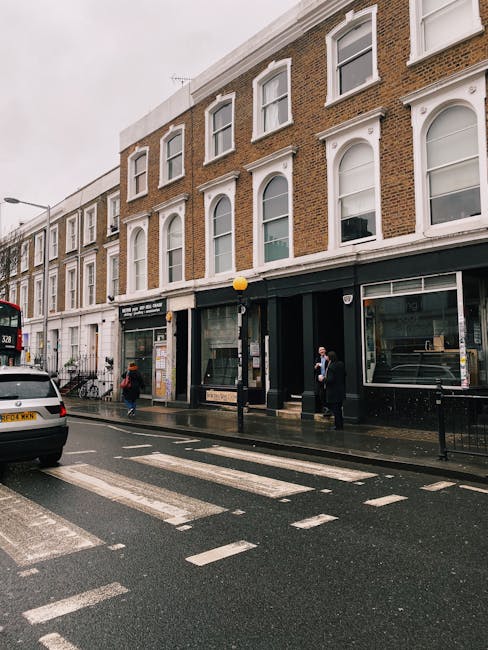
Gloucester Road and the surrounding South Kensington streets are busy, tight on space, and often awkward for ad hoc waste handling. Flats can have narrow stairwells, shared entrances, limited lift access, and not much room to stage bulky items. In other words, rubbish removal here is rarely as simple as dragging a bin bag to the kerb and hoping for the best.
Good rubbish removal matters because it protects three things at once: your time, your property, and your neighbours' patience. A pile of waste in a communal area can quickly become a nuisance. Loose items can create trip hazards. And if you're trying to prepare a flat for letting or sale, a cluttered space can make everything feel smaller, darker, and more stressful than it already is.
There's also a practical local reality. In SW7, many properties are high-value, older, or professionally managed, which means access and presentation matter. A rushed clearance can leave scuffs, missed items, or awkward debris in a shared stairwell. A proper service should feel careful, not chaotic.
If your waste is part of a larger move, renovation, or property refresh, it can help to think beyond one-off disposal and look at the full picture. For example, a flat clearance may overlap with house clearance in South Kensington, while refurb waste might fit better under builders waste disposal. That distinction saves time later. It really does.
How South Kensington rubbish removal Gloucester Road SW7 Works
Most rubbish removal jobs follow a fairly straightforward process, although the details vary depending on volume, access, and the type of waste. The simplest version looks like this:
- You describe what needs removing, ideally with photos.
- The provider estimates the load size, access needs, and likely labour involved.
- A collection time is arranged, often with same-day or next-day availability where possible.
- The team arrives, assesses the items, and confirms the plan before lifting anything.
- Waste is removed, loaded safely, and taken for sorting, reuse, recycling, or disposal.
That sounds simple, and often it is. But the difference between a smooth job and a frustrating one is usually in the preparation. If the team knows whether there are stairs, parking restrictions, fragile items, or mixed waste, they can plan properly. If they don't, everyone wastes time. Nobody wants that.
For larger or more structured projects, some customers prefer a broader waste removal in South Kensington service rather than only a small collection. That can be sensible when you have mixed items, several rooms' worth of waste, or a property that needs a fuller reset.
In practice, rubbish removal in SW7 often comes down to access and sorting. A few examples:
- Flat clearance with stair access and limited parking
- Office clear-out with desks, files, and old IT equipment
- Garden clearance with soil bags, branches, and green waste
- Post-renovation clearance with rubble, packaging, and offcuts
For green waste, a dedicated garden waste removal service is often the cleaner option. For business premises, an office clearance service in South Kensington can be more appropriate, especially if furniture and paperwork need careful handling.
Key Benefits and Practical Advantages
The obvious benefit is that the waste disappears. Nice, simple, done. But there are a few less obvious advantages worth noting too.
- Faster turnaround: A team can usually clear in far less time than a DIY run to the tip, especially if parking or lift access is awkward.
- Less strain: Bulky items like wardrobes, mattresses, or damaged shelving are not fun on narrow stairs. Let's be honest.
- Better sorting: A professional approach usually means more careful separation of recyclable and reusable material.
- Cleaner finish: A good clearance should leave the area swept and ready for the next step, whether that's decorating, letting, or moving.
- Reduced risk: Safe lifting, proper loading, and sensible handling help avoid damage and injury.
There is also a mental benefit. Clutter has a way of sitting in the back of your mind, especially when you're juggling a move or renovation. Once the rubbish is out, the space feels calmer. Smaller, even. You notice it immediately when you open the door.
For people comparing options, remember that the cheapest quote is not always the best value. A slightly better-managed collection can save you from second visits, missed items, or the kind of awkward "oh, we can't take that today" moment nobody enjoys.
Many customers also look for services with strong process and accountability. That's why it can help to review the company's insurance and safety information and check the pricing and quotes page before booking.
Who This Is For and When It Makes Sense
This kind of service suits a wide range of people, and not just landlords or developers. In South Kensington, the demand is often surprisingly varied.
It makes sense if you are:
- moving out of a flat and need old furniture removed
- clearing a rental property between tenancies
- refreshing a home before viewings or photographs
- renovating and need builder's waste taken away
- dealing with accumulated household clutter after a long period of use
- clearing an office, studio, or consulting space
- tidying a garden after pruning, landscaping, or seasonal work
It can also be useful for people who simply don't want to spend half a Saturday loading a car, queueing for disposal, then realising the local site doesn't accept a particular item. Been there? Most people have, at least once.
In neighbourhoods like South Kensington, property use changes quickly. A family might be downsizing, a landlord might need a rapid turnover, or a business might be restructuring. If you're already thinking about the condition of a property, your waste plan should probably be part of the same conversation. For broader home-related decisions, some readers also find the local perspective in the Kensington homes market trends guide and the real estate guide for Kensington investors surprisingly relevant, especially when preparing a property for sale or letting.
Step-by-Step Guidance
If you want a smooth collection, the job starts before the van arrives. A little preparation saves a lot of back-and-forth.
1. Identify exactly what needs to go
Walk through the space and separate the items into clear groups: bulky furniture, bagged rubbish, recyclables, garden waste, builder's debris, and anything you want to keep. If something is borderline, set it aside for clarification. That small pause can prevent mistakes.
2. Check access and parking
Gloucester Road and nearby streets can be busy, and access matters a lot. Think about loading distance, stair levels, lift availability, and whether there's a practical place for a vehicle to stop. If access is tight, say so early. Seriously - say so.
3. Share photos and context
Photos help a provider judge volume and complexity. Include wide shots, close-ups of awkward items, and images of any restricted access points. If the waste includes mixed materials, mention that too.
4. Confirm what is and isn't included
Ask whether labour, loading, disposal, recycling, and sweeping are included. Also clarify whether the quote covers VAT if relevant, and whether there are extra charges for heavy items, multiple flights of stairs, or special handling.
5. Prepare the area
Before the team arrives, separate keepers from removals, disconnect appliances if needed, and make a clear path. If the waste is in a shared building, let neighbours or a porter know where appropriate. A little courtesy goes a long way in communal spaces.
6. Walk through the final load
Before anything is taken away, do one last check. It's much easier to stop a mistake at the door than to solve it later. Once the van is loaded, that's usually that.
A practical local tip: if your job involves multiple categories of waste, ask whether the provider can combine collections in one visit. That can sometimes be more efficient than booking separate trips for general rubbish, garden material, and furniture. Not always, but often enough to ask.
Expert Tips for Better Results
After enough clearance jobs, a few patterns become obvious. The jobs that go well are usually the ones where the customer has thought a step ahead.
- Take one "overview" photo first: A single shot of the room helps with volume estimation more than close-ups alone.
- Separate reusable items: If something is still in good condition, mention it. Reuse is often better than disposal.
- Be honest about weight: A bag of rubble is not the same as a bag of old cushions. Obvious, but people forget.
- Keep paperwork and valuables out of the way: Especially in offices and move-out clearances.
- Ask about recycling routes: A responsible provider should be able to explain how different waste streams are handled.
One small but important thing: if your property has limited access or shared hallways, protect corners and flooring in advance if needed. A sheet of cardboard or a temporary runner can prevent those annoying scuffs that seem to appear in the worst places.
For customers who care about environmental handling, the recycling and sustainability information on the site is worth a look. It helps you understand how waste can be sorted and where recyclable material may go. Good rubbish removal should not feel like a black box.

Common Mistakes to Avoid
The biggest mistakes are usually simple ones, which is inconvenient, because they're the easiest to avoid.
- Leaving the quote too vague: "A few things" can turn out to be half a flat. Better to be precise.
- Forgetting access restrictions: Low bridges, tight turns, resident permits, and lift limitations all matter.
- Mixing prohibited items into general waste: Some items need special handling or separate arrangements.
- Assuming everything will be taken: Always check what the provider can and cannot remove.
- Booking too late: If you're working to a move-out deadline or a handover date, leave margin. Things happen.
Another common issue is underestimating the amount of sorting that needs to happen before collection. If there are sentimental items, documents, or donations to separate, do that first. Once the pile is gone, that decision gets much harder.
And yes, people sometimes forget the obvious stuff, like a charger still plugged in or a drawer full of small items. It happens more than you'd think.
Tools, Resources and Recommendations
You do not need a full toolkit to organise rubbish removal, but a few simple resources make the process easier.
- Phone camera: Good photos save time and reduce misunderstandings.
- Sticky notes or labels: Useful for marking keep, donate, and remove piles.
- Measuring tape: Helps if you need to estimate bulky furniture access through doors and stairwells.
- Bin bags and boxes: Handy for loose household waste and smaller office items.
- Basic PPE for DIY prep: Gloves and sturdy shoes are sensible if you are sorting dusty or sharp items.
For people comparing providers, it's also wise to read the service pages carefully. The about us page can tell you a lot about the team's approach, while terms and conditions and privacy policy help set expectations around booking and communication. Those are not flashy pages, granted, but they do matter.
If you want to understand how the company handles contactless or online transactions, the payment and security page is useful too. It is one of those things people only check after they need it. Better to look first.
Law, Compliance, Standards, or Best Practice
For rubbish removal in the UK, the safest approach is to assume that waste must be handled responsibly, transferred to an authorised carrier, and disposed of or recycled in line with current requirements. The exact obligations can vary depending on the waste type and the parties involved, so it is sensible to confirm the details with your provider rather than guessing.
As a customer, a few best-practice checks are worth making:
- Ask whether the business is properly insured for the work it is carrying out.
- Confirm that waste is taken to appropriate facilities, not simply dumped somewhere questionable.
- Be careful with items that may need special treatment, such as electronics, paints, solvents, or certain bulky materials.
- Keep a record of your booking and any written quote where possible.
For business customers, compliance matters even more. A tidy clearance is not only about appearance; it can affect storage safety, workspace access, and handover obligations. If you're handling an office, studio, or rented commercial space, you may also want to review the provider's approach to safety and risk through the insurance and safety page.
One careful note: if you are dealing with unusual items, regulated waste, or anything that seems borderline, ask for guidance before booking. Good operators would rather clarify than guess. That's how it should be.
For policy and company standards, these pages can also be useful background reading: accessibility statement and modern slavery statement. They do not change the collection itself, but they help signal how the business is run.
Options, Methods, or Comparison Table
Different jobs need different approaches. A small clear-out does not need the same setup as a full property clearance or a builders' skip alternative. Here's a practical comparison.
| Method | Best for | Pros | Potential drawbacks |
|---|---|---|---|
| Ad hoc DIY disposal | Very small loads | Can be cheaper if you already have transport | Time-consuming, awkward parking, multiple trips |
| Professional rubbish collection | Mixed household waste, bulky items, convenience-led jobs | Fast, less lifting, tidy loading | May cost more than doing it yourself |
| House clearance | Whole rooms, entire flats, probate or move-out jobs | More comprehensive and organised | Not ideal for just one or two items |
| Builders waste disposal | Refurbishments and renovation debris | Better for mixed construction materials | Requires clear description of waste type |
| Garden waste removal | Green waste, branches, soil bags, outdoor clear-ups | Cleaner and more suitable for organic waste | Not the best fit for mixed household rubbish |
If you're undecided, think about volume, access, and urgency. Those three factors usually tell you what type of service makes the most sense. A single broken wardrobe and a few bags? One thing. A full flat after years of storage? Another entirely.
Case Study or Real-World Example
Imagine a second-floor flat near Gloucester Road with an awkward stairwell, a sofa that no longer fits the room, several bags of old clothes, a dismantled bookshelf, and a box of mixed waste from a recent tidy-up. The resident has a move-out deadline and no appetite for multiple car journeys in central London traffic. Fair enough.
In that situation, the sensible route is usually to group the load, take a few clear photos, and book a collection that includes labour and loading. The key is not just removing the items - it's doing it without disrupting neighbours, blocking the hallway, or leaving fragments behind. A quick conversation about access, timing, and whether the sofa needs dismantling can make the whole thing much smoother.
Now add one more layer: the resident finds a few items that could be donated, and there's a small pile of papers that need shredding or safe disposal. That turns a simple rubbish removal into a slightly more considered clearance. Not complicated, just sensible. A good service will help you sort what stays, what goes, and what might deserve a better home.
That's the real value here. Not just empty space, but a clear next step. You can breathe again, and the room stops feeling like a to-do list.
Practical Checklist
Use this checklist before your collection. It keeps things simple and reduces avoidable delays.
- Identify all items to be removed
- Separate anything you want to keep
- Take clear photos of the waste and access points
- Note stairs, lifts, parking, and any restrictions
- Ask what is included in the quote
- Check whether any items need special handling
- Protect floors or corners if the route is tight
- Clear the path to the items
- Make sure valuables and documents are removed first
- Confirm the collection time and contact details
Expert summary: In South Kensington, the best rubbish removal jobs are planned around access first, waste type second, and speed third. If you get the first two right, the third usually follows naturally.
Conclusion
South Kensington rubbish removal Gloucester Road SW7 is not just about hauling things away. It is about handling a practical problem well in a part of London where access, timing, and care matter. Whether you are clearing a flat, tidying a garden, dealing with renovation debris, or preparing a property for handover, the right approach saves time and lowers stress.
The best outcomes usually come from a clear description, a sensible quote, and a provider that understands the realities of local access. Keep your expectations practical, ask the obvious questions, and avoid the rush of last-minute decisions if you can. A little preparation goes a long way here.
If you are comparing service levels, reading the supporting information pages and understanding how the process works can help you choose with confidence. And if you want a broader look at local life, the Kensington art and culture guide, resident reviews, and even the party venues in Kensington article can give you a better feel for the neighbourhood and how people use their spaces.
Get a free quote today and see how much you can save.
Sometimes the simplest fix is the nicest one: clear the clutter, open the room, and let the space feel like yours again.

Copyright © . House Clearance South Kensington. All Rights Reserved.