Avoid hidden rubbish removal charges in South Kensington
Posted on 02/06/2026
Avoid hidden rubbish removal charges in South Kensington: a practical guide for clear, honest pricing
If you have ever compared rubbish removal quotes and felt that something did not quite add up, you are not alone. In South Kensington, where flats can be compact, access can be awkward, and waste jobs vary from a single sofa to a full house clearance, hidden rubbish removal charges can turn a straightforward booking into a stressful surprise. The good news? Most of these extra costs are avoidable once you know what to ask, what to check, and how to read a quote properly.
This guide explains how to spot extra fees before they land, how pricing usually works, and how to choose a service with confidence. It also covers practical ways to compare quotes, a few common traps people fall into, and the small details that matter more than you might expect. Let's face it, nobody wants a bill that feels like it arrived from nowhere.
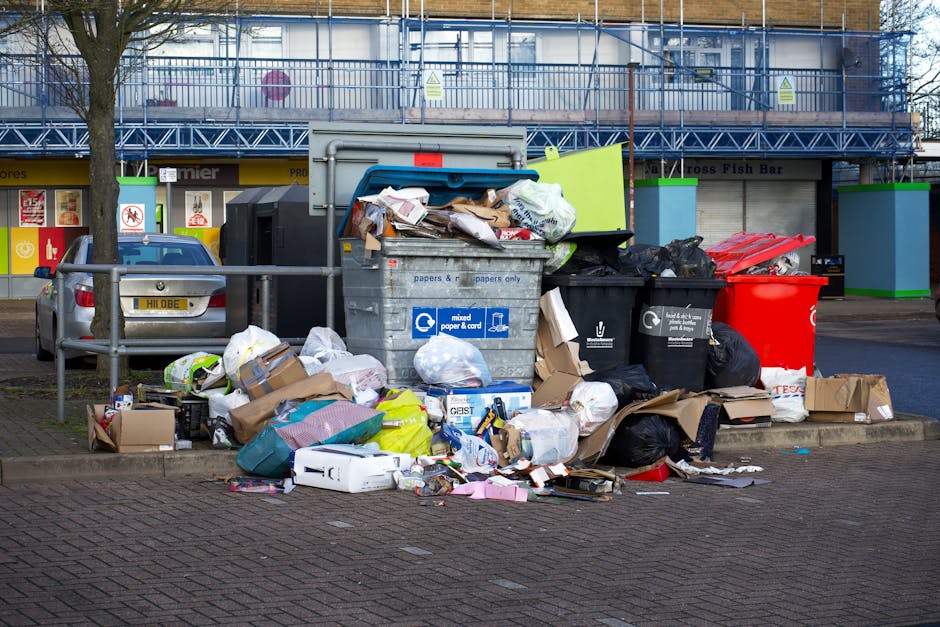
Why hidden rubbish removal charges in South Kensington matters
Hidden charges are more than an annoyance. They make it harder to budget, compare providers, and decide whether a quote is actually good value. In an area like South Kensington, where access can be tight and parking can be tricky, some extra fees may be legitimate. The problem is not extra costs themselves; it is when they are not explained clearly at the start.
Typical examples include stair carry fees, congestion-related surcharges, waiting time, mattress disposal, labour for heavy items, or an unexpected minimum-load charge. A quote might look low at first glance, then grow once the team arrives and starts adding on details. That is the bit people remember. And fair enough too.
For homeowners, landlords, agents, and local businesses, a vague price creates two problems. First, it makes the budget unreliable. Second, it makes trust harder to build. If you are arranging clearance around a move, tenancy changeover, refurbishment, or office reset, you need certainty more than you need a flashy headline price.
If you are still figuring out the wider service landscape, it can help to look at the wider services overview so you can understand which type of clearance or collection fits your job best before you request pricing.
How hidden rubbish removal charges in South Kensington works
Most rubbish removal companies price jobs using a mix of load size, labour time, item type, disposal difficulty, and access. That is normal. What causes trouble is when the quote is based on assumptions that are not fully checked. For example, a provider may assume lift access, clear parking, or easy ground-floor collection, when your building has none of those conveniences. In South Kensington, that happens a lot more often than people think.
Here is the basic pattern. You describe the waste. The company gives an estimate. Then, once they arrive, they inspect the load and the access conditions. If the actual job differs from the description, the price may change. That can be reasonable, but only if the extra charges were clearly explained in advance.
The safest approach is to treat a quote as a mini-agreement. It should spell out what is included, what might increase the price, and what counts as an extra. If a company is vague about this, that is a signal to slow down and ask more questions. A good provider should be able to explain the pricing logic in plain English without making you feel silly for asking.
For more context on transparent quotations, the page on pricing and quotes is a useful place to understand how a clear pricing process should work before you book anything.
Key benefits and practical advantages
Choosing a rubbish removal service with upfront, itemised pricing saves more than money. It saves time, awkward conversations, and that slightly sinking feeling when the final number is very different from the first one you heard.
- Better budgeting: You can plan ahead for a move, renovation, or probate clearance without guessing.
- Faster decisions: Clear quotes make it easier to compare like with like.
- Less stress on the day: No one wants a dispute on the pavement while the van is waiting.
- Stronger trust: Transparent pricing usually reflects better operational discipline overall.
- Cleaner communication: The job is more likely to run smoothly if everyone already knows the scope.
There is also a subtle but important benefit: transparent pricing helps you judge value rather than just choosing the cheapest figure. A very low quote is not automatically a bargain if it leaves out labour, disposal, or access issues. Truth be told, the cheapest option can become the most expensive once all the extras start appearing.
Who this is for and when it makes sense
This guide is useful for anyone arranging waste clearance in South Kensington, but a few groups need it especially:
- Flat owners and tenants clearing bulky items from upper floors or buildings without lifts.
- Landlords and letting agents dealing with end-of-tenancy rubbish, abandoned items, or urgent turnaround jobs.
- Homeowners clearing lofts, basements, garages, or post-renovation debris.
- Businesses and office managers removing desks, packaging, and obsolete furniture.
- Contractors and renovators needing a dependable route for builders' waste.
It also matters if you are searching for a cheap rubbish clearance near South Kensington Station or a specific local route like Gloucester Road, because local access and parking realities can affect the final price. If your job is near a busy street, a garden square, or a narrow mews-style access point, get the access details discussed early. That tiny bit of prep can prevent a big headache later.
For example, a customer moving out of a top-floor flat might be quoted a basic collection fee, only to discover the team expected a lift that did not exist. That is exactly the sort of mismatch this article helps you avoid.
Step-by-step guidance
If you want a straightforward way to protect yourself from surprise fees, follow this process. It is simple, but it works.
- List everything that needs removing. Be specific. A "few bits of rubbish" is not enough. Write down sofas, wardrobes, mattresses, bags, boxes, builders' rubble, or anything awkward or heavy.
- Check access conditions. Note staircases, lift availability, parking restrictions, narrow hallways, basement access, and whether the van can stop close to the property.
- Ask what the quote includes. Labour, loading, transport, disposal, VAT if applicable, and any item-specific fees should all be clear.
- Ask what can increase the price. This is the crucial bit. Waiting time, additional volume, difficult access, or restricted parking should be explained before the booking.
- Request a written quote. A message or email is much better than a casual phone estimate. It gives you something to compare later.
- Confirm the arrival window and process. If the team needs you present, if they will call ahead, or if they need parking help, get that agreed now.
- Recheck the job scope on the day. Before loading starts, quickly confirm the items and the agreed price basis.
That last point matters more than people realise. A two-minute check at the door can save a twenty-minute argument in the stairwell. Nobody enjoys that scene, especially on a busy London street where the kettle is still warm inside and the van driver is trying to keep the day moving.
If your clearance is linked to a home move or sale, it may also help to review a few local property-related resources such as the market trends for buying and selling Kensington homes or the real estate guide for Kensington investors, especially if timing the clearance around handover dates is part of the plan.
Expert tips for better results
Here are the small habits that make the biggest difference in real life.
1. Be honest about volume
Do not understate the amount of waste just to get a lower quote. Providers often estimate by load size, so if your "two bags" become eight bags and a dismantled wardrobe, the price will change. Better to over-explain once than argue twice.
2. Send photos where possible
Photos are one of the simplest ways to reduce pricing disputes. Take pictures from a couple of angles, include awkward corners, and show access routes if they matter. A quick set of images often tells more truth than a long description.
3. Ask about mixed waste
Some loads are straightforward. Others contain a mix of general rubbish, furniture, and heavier materials. Mixed loads can affect disposal costs. If your job includes renovation debris, it is wise to ask whether specialist builders' waste handling is needed, such as the service information on builders' waste disposal in South Kensington.
4. Clarify bulky-item rules
Large items often cost more because they take more labour and space. Sofas, wardrobes, fridges, and exercise equipment can all trigger separate handling fees. If you know there are bulky items, say so early. It is boring admin, yes, but it pays off.
5. Check whether the company is set up for your type of clearance
A domestic house clearance is not the same as an office clearance, and a garden clearance is not the same as a mixed household load. If your job is specific, use the right service path. For example, a full flat or home clearance may suit house clearance in South Kensington, while office furniture and commercial contents may fit office clearance and house clearance services.
These little checks are not glamorous, but they are the difference between a smooth job and a surprise invoice.
Common mistakes to avoid
Most pricing problems come from the same few mistakes. The good news is they are easy to avoid once you know them.
- Accepting a verbal estimate as final: If there is no written confirmation, details can blur later.
- Not mentioning access issues: Multiple flights of stairs, no lift, or distant parking can all affect the final price.
- Ignoring disposal categories: Mattresses, fridges, and certain waste types may be priced differently.
- Choosing only on headline price: A low figure can hide labour, call-out, or waiting-time costs.
- Forgetting about timing: Urgent same-day work may cost more than scheduled collection.
- Not asking about VAT or admin fees: It sounds basic, but this is where many invoices become awkward.
One of the sneakiest mistakes is assuming that "all-in" means everything. Sometimes it does. Sometimes it really does not. Ask directly, politely, and before the van turns up.
Tools, resources and recommendations
You do not need any fancy tools to avoid hidden charges, but a few simple things help a lot.
- Phone camera: Use it to document the waste and access points.
- Notes app or checklist: Keep a written list of items, especially if the clearance is spread across rooms.
- Property access details: Floor level, lift availability, parking restrictions, and entry instructions should all be ready.
- Measured judgement: If you can compare two or three quotes, do it. Not in a rushed way. Give yourself a little breathing room.
It can also help to read a few local pages that reflect how services work in the area, such as rubbish collection in South Kensington and waste removal in South Kensington. Those pages can help you match the right service to the right job, which is half the battle. If you are dealing with garden debris specifically, the dedicated garden waste removal in South Kensington page is the better fit than a general clearance page.
For readers who care about what happens after collection, the company's recycling and sustainability information is also worth checking. Responsible disposal does not automatically mean the cheapest service, but it is often part of the better-value offer.
Law, compliance, standards, or best practice
This part matters because rubbish removal is not just about lifting things into a van. Waste handling in the UK sits within a broader framework of duties, care, and common-sense compliance. You do not need to become an expert in waste law to book a collection, but you should expect a professional provider to operate responsibly.
In plain terms, that means waste should be collected, transported, and disposed of properly, with suitable checks around safety, duty of care, and the handling of restricted items. If a provider is vague about where waste goes, or if they seem relaxed about proper disposal, that is a red flag. No one wants their cleared-out furniture becoming someone else's problem down a lane somewhere. Not a great look.
Best practice also includes clear terms and conditions, sensible payment handling, and transparent communication about safety. If you want reassurance before booking, it is sensible to review the company's terms and conditions, payment and security information, and insurance and safety guidance. Those pages will not tell you everything about the job itself, but they do help you understand how the business operates.
For trust signals more broadly, the company's about us page can help you judge whether the team sounds established and accountable, while the privacy policy and accessibility statement show the kind of detail-oriented approach that often carries through into customer service.
Options, methods, or comparison table
Different booking approaches suit different situations. Here is a simple comparison to help you decide which route is likely to be safest and most predictable.
| Booking method | Best for | Pros | Watch-outs |
|---|---|---|---|
| Phone estimate only | Very simple jobs | Fast and convenient | Easy for details to be missed |
| Photo-based quote | Most household and flat clearances | Better accuracy, fewer surprises | Photos must show the full scope |
| Site visit or assessment | Large, awkward, or high-value jobs | Usually the clearest pricing basis | Can take extra time to arrange |
| Fixed-price booking | Clearly defined loads | Strong budget certainty | Depends on accurate pre-booking info |
In practice, a photo-based quote is often the sweet spot for local rubbish removal jobs. It gives the provider enough information to price accurately without turning the booking into a complicated process. If you are near South Kensington Station or dealing with a rush job, a quick photo set can save everyone time.
Case study or real-world example
Here is a simple real-world style example based on a common South Kensington scenario. A tenant is moving out of a second-floor flat near Gloucester Road and needs a mix of items removed: a broken bed frame, two bags of clothes, a desk, and some packaging from a recent online furniture order. The first quote looks attractive. Low, quick, done.
But the initial enquiry does not mention that the building has no lift and the parking outside is limited to a short loading window. When the team arrives, the quote is adjusted to reflect the extra carrying time and the access issue. The customer is not thrilled. Understandably. Yet the company argues the job description was incomplete.
Now compare that with a better approach. The tenant sends three photos, confirms the floor level, mentions the lack of lift, and states that the van may need to wait briefly. The quote comes back slightly higher than the first one, but it is accurate. On the day, the price matches the expectation and the clearance is done without drama. No awkward back-and-forth, no surprise charge, and everyone gets on with life.
That is really the point. Transparent pricing often feels less exciting at the start, but it is almost always more pleasant at the end.
Practical checklist
Use this checklist before you confirm any rubbish removal booking in South Kensington.
- Have I listed every item and bag that needs removing?
- Have I mentioned stairs, lifts, parking, and access restrictions?
- Have I asked what is included in the quote?
- Have I asked what could increase the price?
- Do I know whether VAT is included or added separately?
- Have I checked whether bulky items carry separate charges?
- Do I have a written quote or message confirmation?
- Have I confirmed the arrival window and any waiting-time rules?
- Have I chosen the correct service type for the job?
- Am I comfortable that the company explains disposal and safety clearly?
If you can tick most of those off, you are in good shape. If not, pause and ask one more round of questions. It is much easier now than on collection day.
Get a free quote today and see how much you can save.
Conclusion
Avoiding hidden rubbish removal charges in South Kensington is mostly about clarity, not cleverness. Ask better questions, describe the job properly, and insist on a quote that explains what is included. When you do that, you reduce risk, improve value, and make the whole process feel far less stressful.
South Kensington has its own quirks: period buildings, stairs, controlled parking, busy roads, and the occasional "just one more item" that turns into a pile. None of that is unusual, but it does mean a vague quote can become a problem quickly. A clear quote, on the other hand, can make the day feel almost boring. And boring, in this context, is excellent.
If you are preparing for a move, a clearance, or a one-off collection, take ten minutes now to check the details. It is a small bit of effort that can save you money, time, and a fair amount of irritation later. That is a decent trade.


Copyright © . House Clearance South Kensington. All Rights Reserved.