Do you need a permit for furniture removal in South Kensington Council areas
Posted on 31/07/2026
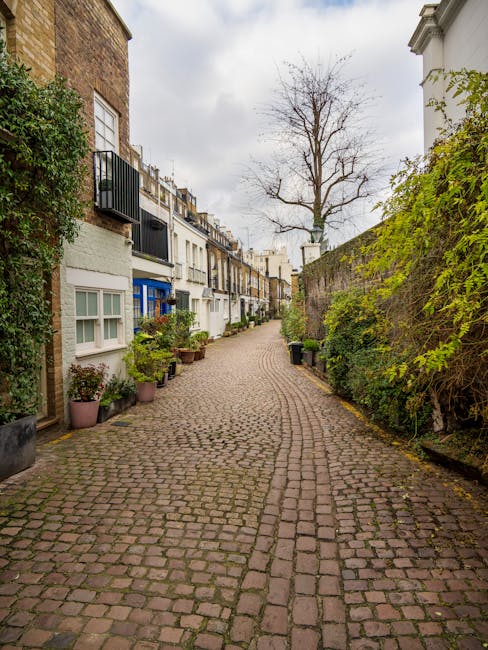
If you are planning a sofa pickup, a bed clearance, or a full flat clear-out, the first thing people usually ask is simple: do you need a permit for furniture removal in South Kensington Council areas? The honest answer is that it depends on how the removal is carried out, where the vehicle parks, and whether anything is placed on public land. In many cases, you may not need a special permit at all. But if the job involves a skip, loading on the highway, temporary parking restrictions, or bulky waste left outside, the rules can change quickly.
That is why this topic matters. A furniture removal job can look straightforward from the front room, then suddenly become awkward at the kerbside. South Kensington streets are busy, parking is tight, and access can be a little bit fiddly, to be fair. This guide breaks it all down in plain English so you can avoid fines, delays, and the classic last-minute panic of realising the van has nowhere legal to stop.
We will look at when a permit might be needed, when it usually is not, how furniture removal works in practice, what compliance issues to watch for, and the steps that make the whole process smoother. If you are weighing up removal options, you may also find our guide to Kensington and Chelsea Council rules for waste disposal in South Kensington useful alongside this article.
In other words: if you want to move furniture out cleanly, legally, and without any unpleasant surprises, you are in the right place.
Why Do you need a permit for furniture removal in South Kensington Council areas Matters
The short version is this: permits matter because furniture removal often touches areas that are regulated, even if the furniture itself is perfectly ordinary. A large wardrobe does not need paperwork. But the moment a van blocks a bay, a skip sits on a road, or bulky items are left on a pavement, you may be dealing with council rules, parking restrictions, or highway permissions.
That distinction catches a lot of people out. The removal itself may be harmless. The location of the removal is often the real issue.
South Kensington has the kind of streets where access is precious. Think narrow roads, resident bays, loading limits, and a constant stream of cars, deliveries, and people on foot. If you are clearing furniture from a flat near Gloucester Road or a terrace by Queen's Gate, it is easy to see how a van stopping for just 15 minutes can create a problem. And if you are doing a larger clear-out, the risk grows.
This matters for another reason too: cost. A permit, if required, is usually cheaper than the cost of an avoidable penalty, a missed collection, or a second visit because access was not arranged properly. You do not want to discover on the day that the sofa is downstairs, the lift is too small, and the vehicle cannot wait. That is the sort of thing that turns a tidy job into a headache very quickly.
For householders, landlords, letting agents, and office managers, understanding the permit question helps you choose the right service and the right approach. If you are comparing services, the page on services overview gives a broader picture of what types of clearance and waste work are commonly handled in the area.
How Do you need a permit for furniture removal in South Kensington Council areas Works
There is no single rule that applies to every furniture removal. Instead, you look at the method of removal and ask where the activity is taking place.
1. If the furniture is taken from inside the property
If a removal team carries furniture out from the property, loads it into a vehicle already parked legally, and leaves without using public space in a disruptive way, a separate permit may not be needed. This is the simplest setup. It is common for single items, small flat clearances, and quick collections where access is good.
2. If the van needs to stop on a restricted road
Things change if the vehicle has to park in a controlled bay, on yellow lines, or in a restricted loading area. In those cases, the operator may need to arrange legal parking or a dispensation. Sometimes that means a loading bay, sometimes a pay-and-display space, and sometimes a parking arrangement that avoids enforcement. The exact requirement depends on the street and the type of stop involved.
3. If a skip or container is used
Furniture removal is not always about a van. If the job includes a skip for mixed waste, a permit is much more likely to be relevant because skips placed on public roads typically require authorisation. In practice, this is more common during bigger refurbishments or house clearances rather than a simple two-chair pickup.
4. If items are left outside for collection
Some people leave unwanted furniture on the pavement or outside a building before collection. That sounds convenient, but it can create problems. Items left on public land can be treated as obstruction or fly-tipping if not arranged correctly. So even if you are trying to help the crew, do not assume that putting a wardrobe outside is automatically fine. It often is not.
One small but important point: permit rules are not the same as waste carrier rules. A permit deals with access to public space. A waste carrier licence and proper disposal arrangements deal with how the furniture is collected and processed. Both matter. They are related, but not identical. That is where a lot of confusion starts, usually right when people are already stressed and trying to do five things at once.
Key Benefits and Practical Advantages
Sorting out permit questions before the removal starts gives you more than legal peace of mind. It makes the whole job work better.
- Fewer delays: The crew can arrive, load, and move on without circling for parking.
- Lower risk of fines: Nobody wants a penalty because a van sat in the wrong place for too long.
- Smoother access: Especially useful in mansion blocks, terraces, and narrow mews-style streets.
- Better coordination with building staff: Concierge teams and managing agents usually appreciate a plan, not improvisation.
- Cleaner handover: Helpful when moving out, preparing a tenancy, or clearing after a sale.
- Less stress on the day: Honestly, this is probably the biggest benefit.
There is also a practical financial upside. If a provider knows access will be tricky, they can plan the right vehicle size, time slot, or collection method. That often saves time, and sometimes saves money too. If you are trying to keep costs sensible, it is worth looking at pricing and quotes before booking so you know how access and removal method may affect the final figure.
For eco-conscious readers, there is another bonus: better planning often means better sorting. When teams are not rushing because of parking pressure, they are usually in a better position to separate reusable furniture, recyclable materials, and general waste. That is where recycling and sustainability comes into the picture in a very real way.
Who This Is For and When It Makes Sense
This question is relevant to more people than you might think. If you live, work, or manage property in South Kensington, the permit issue can crop up in everyday situations.
- Homeowners: clearing old furniture before a redesign, sale, or move.
- Tenants: removing bulky items at the end of a lease.
- Landlords: handling abandoned items between lets.
- Estate agents: preparing a flat for viewings or completion.
- Letting managers: arranging clearance after a tenancy ends.
- Offices: replacing desks, chairs, and storage units.
- Developers and builders: dealing with fit-out or strip-out waste.
It makes sense to think about permits earlier if any of the following are true:
- you are on a busy one-way street;
- the property has limited access or no lift;
- the job involves multiple large items;
- the vehicle may need to wait outside;
- the furniture has to come from an upper floor;
- you are planning same-day clearance, which is brave, but sometimes necessary.
If the job is a full property clear-out, the permit question becomes even more important. A complete clearance tends to take longer, and longer jobs are where access and parking start to matter in a very real way. For that kind of work, the page on house clearance in South Kensington may be a helpful reference point.
Step-by-Step Guidance
If you want to handle furniture removal cleanly and avoid permit problems, use this process. It is not fancy, but it works.
- List the furniture: Note the number, size, and type of items. A sofa and a wardrobe create different access issues.
- Check the access route: Staircase, lift, front path, courtyard, shared hallway, basement? All of it matters.
- Look at street conditions: Is there a bay nearby, a loading zone, double yellows, or tight turning space?
- Decide whether a vehicle must stop on public land: This is where permit issues usually start.
- Ask the provider how they handle parking and access: A good team will not dodge the question.
- Confirm whether a skip, van, or man-and-van style removal is planned: Different methods have different permission needs.
- Clarify timing: Morning, midday, school-run time, evening? Timing can change what is practical.
- Put building rules in writing: Some blocks want notice for lift use, loading, or contractor access.
- Prepare the furniture: Empty drawers, disconnect items, and clear a path.
- Keep a contact person available: If access changes on the day, someone should be able to answer quickly.
A small example: a resident on a South Kensington terrace wants two armchairs and a dining table removed before the weekend. If the collection vehicle can pull into a legal loading space briefly, the job may be simple. If that same street has tight restrictions and no stopping allowance, the team may need to work around a permit or time the job more carefully. Same furniture, different reality. That is the bit people underestimate.
Expert Tips for Better Results
Here is the part that makes a removal feel easy rather than chaotic.
Book with access in mind, not just price. The cheapest quote can become expensive if the crew spends half the slot hunting for parking or waiting for access instructions. A slightly better-planned booking often feels cheaper in the end. Funny how that works.
Take photos of large items and tricky entrances. A quick phone picture of the front door, stairwell, or parking layout is often enough to help the team judge the job properly. It saves back-and-forth.
Measure oversized furniture before collection day. Wardrobes, sofa beds, and tall cabinets have a habit of looking smaller in the room than they really are. Then they hit the hallway wall and suddenly everyone is pretending not to be worried.
Ask about insurance and safety procedures. Responsible operators should be able to explain how they protect property, handle heavy lifting, and manage risks. For a little extra reassurance, the page on insurance and safety is worth a look.
Be realistic about the loading time. If the furniture is on an upper floor with narrow stairs, a 10-minute collection may not be realistic. Better to allow enough time than to rush and cause damage.
Keep the path clear. Shoes, planters, bins, and random bits of packaging are the sort of obstacles that make removals feel twice as long. One clear corridor can save a lot of effort.
Think ahead if you are clearing more than one item. If the furniture removal is part of a larger sort-out, you may be better off planning it alongside broader waste removal in South Kensington rather than booking several separate visits.

Common Mistakes to Avoid
Most problems come from assumptions. People think the street is quiet enough, or the van can "just stop for a minute," or the building manager will not mind. Then the day arrives, and the script changes.
- Assuming a permit is never needed: That is risky. Access rules vary street by street.
- Assuming a permit is always needed: Also wrong. Many removals can be done without one if the vehicle parks legally and the job stays off public land.
- Leaving furniture on the pavement without checking: This can create obstruction or enforcement issues.
- Forgetting about building rules: Some blocks require notice for lifts, loading bays, or service entrances.
- Booking before checking access: A little planning avoids a lot of awkward calls.
- Ignoring item weight and size: Heavy oak units and broken sleeper sofas are not small jobs, whatever your back would like to believe.
- Not asking about disposal: You want to know where the furniture is going, not just where it is leaving.
A practical tip: if you are comparing providers, ask them what happens if access is blocked on arrival. A decent answer should include a plan, not a shrug. That tells you a lot about how the job will go.
Tools, Resources and Recommendations
You do not need a stack of complicated tools to manage furniture removal. A few simple things make the process much easier.
- Measuring tape: Useful for checking doorways, stair turns, and furniture dimensions.
- Phone camera: Take pictures of access points, the items, and any parking constraints.
- Notes app or checklist: Keep item counts, collection times, and access instructions in one place.
- Masking tape or labels: Helpful if you are separating keep, donate, recycle, and remove piles.
- Gloves and basic floor protection: Good for light prep if items are dusty or scuffed.
For broader planning, the following pages may help depending on your situation. If you are clearing a flat, office, or mixed-use property, the company's office and house clearance page can help you compare the type of service you need. If the furniture is part of a more general household tidy-up, rubbish collection in South Kensington may be the closer fit.
And if you are just trying to understand the wider service range before deciding, the services overview is the simplest place to start. No drama. Just a useful map of what is available.
Law, Compliance, Standards, or Best Practice
Furniture removal in South Kensington is not only a practical job; it can also touch on compliance, access management, and responsible disposal. The exact legal or permit requirement depends on the circumstances, so caution is wise here.
In plain terms, there are a few principles to keep in mind:
- Do not obstruct the highway: Vehicles, skips, and items placed on public land can attract enforcement if they cause obstruction or break local rules.
- Check parking and loading restrictions: South Kensington roads can have controlled parking zones, short-stay bays, and loading-only areas.
- Use a responsible waste carrier: If furniture is being taken away as waste, it should go through proper channels, not informal dumping.
- Follow building and landlord rules: Flat blocks and managed estates often have their own access procedures.
- Keep records where useful: Quotes, booking notes, and photos can help if there is a dispute about access or timing.
Best practice is usually simple: confirm the route, the parking plan, the collection method, and the disposal process before the day arrives. If you are booking a larger or more complicated job, especially one involving building work, our related guide on what to know when booking builders rubbish clearance in South Kensington may help you think through access and compliance in a similar way.
One useful mindset shift: do not treat compliance like paperwork for the sake of paperwork. It is really about keeping the job safe, legal, and neighbour-friendly. That is what matters in the end.
Options, Methods, or Comparison Table
There are a few different ways to handle furniture removal in South Kensington Council areas. The right one depends on the amount of furniture, the street layout, and how much organisation you want to manage yourself.
| Method | Best for | Possible permit need | Main advantage | Main drawback |
|---|---|---|---|---|
| Man-and-van furniture collection | Single items or small loads | Sometimes, if parking or loading is restricted | Quick and flexible | Access can be tricky on narrow streets |
| Full house or flat clearance | Multiple rooms or end-of-tenancy clear-outs | More likely if the vehicle needs to wait or park on the street | Efficient for larger jobs | Needs more planning |
| Skip-based removal | Heavy mixed waste or renovation leftovers | Often, if the skip sits on public land | Handles large volumes | Less tidy and more space-hungry |
| Timed bulky collection from inside the property | Residents with good internal access | Less likely, if parking is straightforward | Simple and neat | May require careful scheduling |
If your main issue is a large amount of household furniture and associated clutter, a more comprehensive house clearance service in South Kensington may be the easier route than trying to piece together multiple smaller collections.
For many people, the best choice is not the cheapest-looking option, but the one that fits the street and building conditions best. That sounds obvious, but in practice it is where the good jobs happen.
Case Study or Real-World Example
Here is a realistic example from the kind of situation people face all the time.
A landlord in South Kensington needed to clear a two-bed flat after a tenancy ended. The furniture included a bed frame, mattress, sofa, coffee table, desk, and some shelving. At first glance, it seemed like a straightforward removal. But the property sat on a busy road with limited stopping space, a narrow entrance hall, and a communal courtyard that was shared with other residents.
Rather than guessing, the landlord checked the access route first. That turned out to be the sensible move. The vehicle could not remain outside for long, so the collection had to be timed carefully. The team arranged an early slot, kept the items grouped near the exit, and made sure building access was confirmed before arrival. The result? No blocking, no extra waiting, no complaints from neighbours. Simple enough in the end, but only because the access and parking issue was considered in advance.
Now, imagine the same job without that planning. Someone leaves furniture outside "just for a minute," the vehicle parks awkwardly, and the block manager starts asking questions. It can unravel fast. That is why the permit question is not just technical. It shapes the whole experience.
Practical Checklist
Use this checklist before booking furniture removal in South Kensington Council areas.
- Have you listed every item that needs removing?
- Do you know whether the furniture is going from inside the property or from the kerbside?
- Have you checked parking restrictions near the building?
- Do you know if a loading bay or other formal parking arrangement is needed?
- Have you confirmed whether any building rules apply?
- Are staircases, lifts, and doorways large enough for the items?
- Have you asked the provider how they handle access and disposal?
- Have you confirmed whether a permit, dispensation, or skip licence might be needed?
- Is the collection time realistic for the amount of furniture involved?
- Have you prepared a clear path for the removal team?
- Have you kept photos or notes in case access changes on the day?
- Do you have a backup contact if something needs to be decided quickly?
If you can tick most of those off, you are in much better shape than most people on the first try. And that is usually enough to make the day feel calm rather than chaotic.
Conclusion
So, do you need a permit for furniture removal in South Kensington Council areas? Sometimes yes, sometimes no. The key is not the furniture itself, but how and where the removal happens. If the job can be completed entirely from private premises with straightforward access, you may not need a permit. If it involves street parking, restricted bays, a skip, or items being placed on public land, the answer can change fast.
The good news is that once you understand the moving parts, the process becomes far less intimidating. Check the access, clarify the parking, confirm the removal method, and make sure disposal is handled properly. That is the recipe. Nothing glamorous, but it works.
And if you are still weighing up your options, it is worth looking beyond the obvious headline price and thinking about access, timing, safety, and local rules. That is usually where the real value sits.
Get a free quote today and see how much you can save.
After all, a smooth furniture removal should feel like a relief, not another errand on an already long list. One good plan, and the whole thing becomes much lighter.


Copyright © . House Clearance South Kensington. All Rights Reserved.